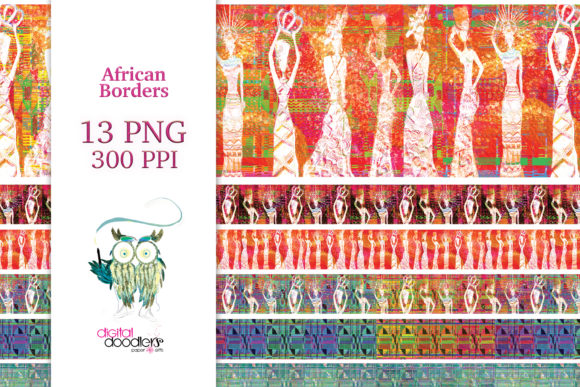
Watercolor African Kente Borders
As an embroidery designer with years of experience, I’ve seen a wide range of designs come through my studio. Some are beautiful but impractical, while others are functional but lack soul. Watercolor African Kente Borders falls into the latter category—beautiful, meaningful, and full of potential for real-world use.
The First Impression: A Design That Speaks Volumes
From the moment I opened the file, I was struck by the soft, flowing lines and the gentle watercolor effect that gives the design its unique character. The layout is elegant, with a natural rhythm that suggests movement and cultural significance. This isn’t just a border—it’s a statement. The theme feels deeply rooted in tradition, yet it has a modern, versatile appeal that makes it suitable for a variety of projects.
The level of detail is impressive without being overwhelming. It balances intricate patterns with enough negative space to prevent visual clutter. This makes it ideal for embroidery projects where the design needs to stand out but not dominate the overall look.
Real-World Embroidery Use Cases
Watercolor African Kente Borders shines when used as a decorative element on custom apparel, such as a tote bag design or a sweatshirt embroidery. Its flowing lines make it perfect for adding a touch of culture and artistry to everyday items. I can easily see this design being used on baby clothes, where the softness of the colors and the gentle motifs create a calming, aesthetic effect.
It also works well as an embroidered patch, especially for small shop products or boutique branding. The design’s size and shape allow it to be stitched onto caps, aprons, and even pillow covers without feeling cramped or oversized. For holiday gifts or wedding gifts, it adds a personal, handmade touch that customers will appreciate.
As a digital product seller, I’d consider this design a strong addition to a collection of printable mockups or design assets. It offers versatility for both personal and commercial projects, provided the user checks licensing details before selling finished items.
Where to Use With Caution
While Watercolor African Kente Borders is visually appealing, it’s important to consider the limitations of certain fabrics and project types. On small hoop sizes, the design may feel too large or difficult to stitch without repositioning. Textured or thin fabrics could cause the stitches to pucker or distort, so testing on scrap fabric is essential.
On dark fabrics, the watercolor effect may not show up as clearly, depending on the thread colors used. Similarly, stretchy or layered garments might require additional stabilizer to keep the design from shifting during stitching. Curved surfaces like caps can also be tricky, as the design’s flow may not align perfectly with the shape of the item.
For projects that require frequent washing, such as baby clothes or kitchen towels, the durability of the design should be tested. Dense stitch areas or tiny lettering could potentially fray over time if not properly stabilized.
Impact on Visual Appeal and Customer Perception
When used correctly, Watercolor African Kente Borders elevates the visual appeal of any project. It adds a sense of craftsmanship and cultural authenticity that can set a handmade product apart from mass-produced alternatives. Customers often respond positively to designs that tell a story, and this one certainly does.
In terms of stitching clarity, the design performs well on most standard embroidery machines. However, the stitch density and type (satin stitch, fill stitch, running stitch) should be reviewed to ensure compatibility with the user’s equipment. Proper stabilizer use is key, especially on delicate or stretchy materials.
This design also enhances product value. Whether it’s used on a custom t-shirt, a personalized gift, or a small business merchandise item, it adds a level of professionalism that customers recognize and appreciate. For Etsy sellers or craft fair vendors, it’s a great way to showcase brand consistency and creative vision.
Practical Designer Notes
Before committing to a project, I always recommend testing the design on scrap fabric. This helps identify any issues with stitch density, thread color contrast, or fabric texture. It’s also wise to review the design in black and white mockups to see how it looks on different backgrounds.
If you’re planning to use Watercolor African Kente Borders for commercial embroidery, make sure to confirm the licensing terms. Some designs may have restrictions on resale or modification, so it’s important to understand what’s allowed before proceeding.
Finally, remember that this is more than just an embroidery file—it’s a design asset that can be adapted to many different uses. Whether you’re creating a handmade product, a personalized gift, or a digital preview for your shop, it’s worth taking the time to evaluate how it fits into your workflow and style.