Cats and Plants Watercolor Clipart: A Designer's Review
As a designer who spends most of my day staring at screens and managing digitizing software, I approach new assets with a healthy dose of skepticism. We see thousands of Illustrations flood the market every week, but very few translate well from a digital design asset to a tangible finished product. When I first opened the Cats and Plants Watercolor Clipart collection, my immediate reaction wasn't just about how cute the cats looked; it was about how those soft, bleeding watercolor edges would behave under the rigid constraints of a needle and thread. This review breaks down my practical experience evaluating this specific set for real-world embroidery projects, specifically for those of us running small shops or creating high-end custom goods.
First Impressions and Visual Personality
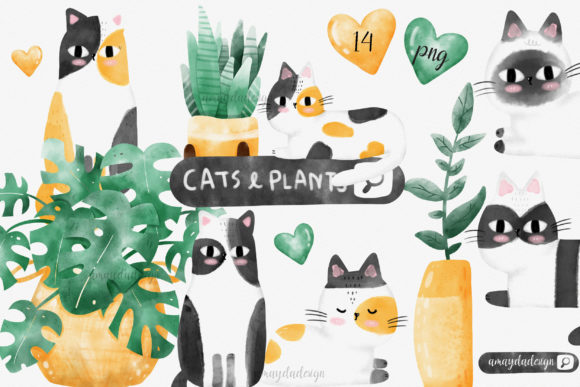
The mood of Cats and Plants Watercolor Clipart is undeniably whimsical and serene. There is a gentle, organic flow to the lines that mimics traditional painting rather than vector sharpness. For an embroidery designer, this presents both an opportunity and a challenge. The visual personality suggests a "soft life" aesthetic, perfect for nursery decor, boutique apparel, or cozy home goods. However, watercolor styles rely heavily on gradient blends and fuzzy edges, which do not naturally exist in stitching. To make this work as a machine embroidery design, one must carefully consider how to interpret those soft transitions using satin stitch, fill stitch, or running stitch techniques without losing the original charm. The layout of these designs feels balanced, with enough negative space to prevent the final stitch-out from looking like a solid, heavy puckered mess, which is often the downfall of detailed botanical illustrations.
Real-World Application: The Boutique Tote Bag Scenario
To truly test the viability of Cats and Plants Watercolor Clipart, I imagined a specific client request: a custom order for a local plant shop needing branded tote bags. They wanted something that felt handmade and artistic, not corporate. I selected a design from the collection featuring a cat nestled among monstera leaves. On screen, the colors were vibrant and the details crisp. But in execution, this is where the rubber meets the road. For a tote bag design, the fabric is usually a canvas or heavy cotton twill, which has a distinct fabric texture. The success of this project hinges on whether the digitized version of the clipart can bridge the gap between the smooth digital image and the rougher weave of the bag.
If executed correctly, the resulting embroidered patch or direct stitch-on would elevate the perceived value of the bag significantly. Customers are drawn to items that look like handmade products rather than mass-produced prints. The organic shapes of the plants and the relaxed posture of the cats in this collection lend themselves beautifully to this application. It tells a story of care and craftsmanship. However, if the stitch density is too high in an attempt to capture every watercolor nuance, the fabric could warp, making the bag unusable. This is why reviewing the source material is critical before committing to a large production run.
Navigating Fabric Challenges and Hoop Limitations
While Cats and Plants Watercolor Clipart shines on stable fabrics like denim, canvas, or linen, caution is required when moving to trickier materials. If you are planning sweatshirt embroidery or working with stretchy knits for baby embroidery projects, the detailed corners of the plant leaves and the fine whiskers of the cats demand precision. Stretchy fabrics move, and if the design relies on tiny, isolated stitches to mimic watercolor splatters, they may pull apart or sink into the pile of the fabric. In these cases, using a high-quality cut-away stabilizer is non-negotiable.
Furthermore, consider the hoop size constraints. Some of the more elaborate compositions in the collection might be too large for standard caps or small pockets. Trying to shrink a complex illustration to fit a 4x4 hoop can result in a loss of detail, turning delicate thread colors into a muddy blob. For curved surfaces like hats, the distortion factor increases. I would advise against using the most intricate versions of these designs on caps unless you have a highly skilled digitizer who can manually adjust the pull compensation and underlay. For flat items like pillow covers, tea towels, or aprons, the designs are much more forgiving and likely to produce a professional result.
Commercial Viability and Brand Consistency
For Etsy sellers and creative entrepreneurs, the visual appeal of your product directly impacts buyer engagement. Cats and Plants Watercolor Clipart offers a cohesive theme that can help build brand consistency. Imagine a shop specializing in holiday embroidery gifts or wedding favors; using a unified set of illustrations across different products—like matching custom apparel for a bridal party or a series of personalized gifts for new parents—creates a recognizable aesthetic. This consistency builds trust. When a customer sees a high-quality stitch-out that matches the promotional printable mockup exactly, it reinforces the professionalism of the craft business.
However, transparency is key. If you are selling digital embroidery file versions of these designs, you must ensure you have the correct licensing terms. Not all clipart collections allow for the redistribution of digitized files. Even if you are selling the physical small shop product, understanding the license regarding commercial use is vital to avoid legal pitfalls. Always verify if the Illustrations are cleared for commercial embroidery projects before listing them in your store.
Practical Notes for the Working Designer
Before you commit to stitching Cats and Plants Watercolor Clipart on a client's garment, here are a few essential steps I recommend based on my own workflow:
- Test on Scrap Fabric: Never skip the test stitch-out. Use the exact same fabric and stabilizer combination you plan to use for the final item to check for puckering or registration issues.
- Check Color Contrast: Watercolor styles often use subtle shifts in hue. Ensure your chosen thread colors provide enough contrast so the details don't get lost, especially when viewed from a distance.
- Review Stitch Density: If the design feels too heavy, consult with your digitizer to reduce the fill density. This improves drape and comfort, especially for wearables.
- Mockup Verification: Create black and white mockups to see if the design holds its shape without relying on color. This helps identify potential clarity issues in the stitching path.
- Light vs. Dark Backgrounds: Test the design on both light and dark fabrics. Some watercolor effects rely on the background showing through, which may not work on black garments without a specific underlay strategy.
- Confirm Licensing: Double-check the usage rights for both personal and commercial projects to ensure you are protected when selling your finished product.
In conclusion, Cats and Plants Watercolor Clipart is a charming resource that, when handled with technical expertise, can result in stunning embroidery projects. It bridges the gap between digital art and tactile craft, offering a soft, inviting aesthetic that resonates with modern consumers. By respecting the limitations of the medium and preparing thoroughly, you can turn these lovely illustrations into profitable, beautiful realities for your customers.