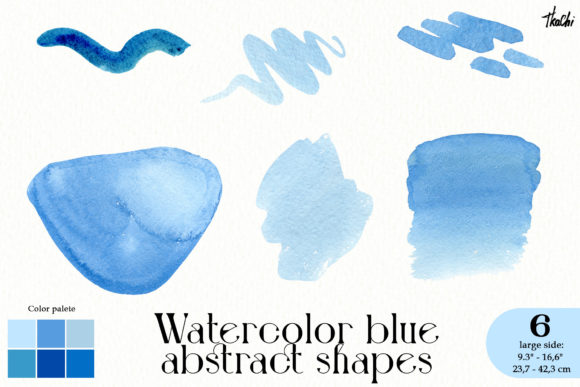
Review: Blue Abstract Shape Watercolor Clipart for Embroidery
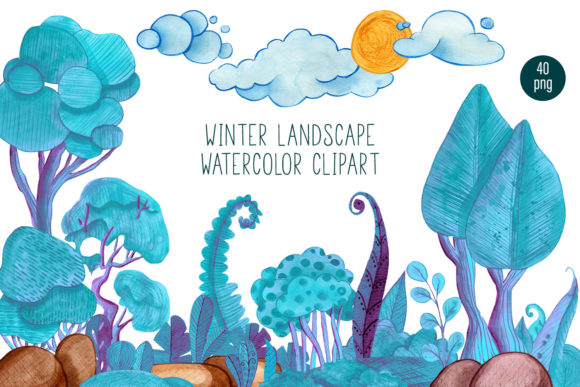
As a designer who spends more time staring at stitch previews than I do sleeping, I am always skeptical when I see a product labeled as "clipart" pitched for machine embroidery. Usually, this means I am about to fight a losing battle against excessive satin columns or fill patterns that turn delicate art into a solid puckered mess. However, after pulling the Blue Abstract Shape Watercolor Clipart into my digitizing software and running a few test stitches, I found myself pleasantly surprised by its potential as a versatile embroidery file for modern makers.
The first thing that strikes you about this design is its mood. It isn't trying to be hyper-realistic or overly ornate. Instead, it captures that fluid, organic feel of watercolor painting where edges bleed softly into one another. For an embroidery project, this translates beautifully if handled correctly. The layout suggests movement, making it an ideal candidate for contemporary custom apparel or boutique home decor where a stiff, traditional look would feel out of place. It feels less like a logo and more like an artistic accent, which is exactly what many Etsy sellers and craft business owners are looking for to differentiate their handmade product lines.
Real-World Application: The Tote Bag Test
To truly evaluate this asset, I needed a real-life scenario. I decided to use the Blue Abstract Shape Watercolor Clipart for a custom order: a set of reusable grocery totes for a local yoga studio. The client wanted something that felt calming and natural, avoiding the harsh lines of standard vector graphics. This design fit the brief perfectly.
When stitching onto canvas, the abstract nature of the shape allowed me to play with thread colors without worrying about perfect color blocking. I used a variegated blue thread to mimic the watercolor gradient effect inherent in the original Illustrations style. The result was a finished product that looked high-end and intentional. Customers often react better to designs that look "painted" rather than "stamped," and this clipart delivers that aesthetic. It elevated a simple tote bag design into a piece of wearable art that the studio members were excited to carry around town.
Beyond bags, I can see this working exceptionally well on sweatshirt embroidery. The softness of the abstract shape complements the fuzzy texture of fleece or French terry. Unlike dense logos that can make a garment feel heavy or stiff, this design breathes. It would also be stunning as a baby embroidery element on a onesie or blanket, provided the stitch density is managed well to ensure comfort against sensitive skin.
Navigating Fabric and Stitch Challenges
While the visual appeal is strong, practical application requires caution. Watercolor effects rely on subtle transitions, which can be tricky to replicate with thread. If you are using this as a machine embroidery design straight out of the box, you must check the stitch density. On thin or stretchy fabrics, a heavy fill can cause puckering or distortion. I strongly advise testing the design on scrap fabric that matches your final material before committing to a client's garment.
There are specific scenarios where you need to proceed carefully. For instance, placing this on a curved surface like a cap requires a robust stabilizer strategy; otherwise, the abstract lines might warp during the hooping process. Similarly, if you are working with dark fabric, ensure the design includes enough underlay or light-colored coverage so the background doesn't peek through and ruin the watercolor illusion. Tiny details in the corners of the shape might get lost if the hoop size is too small or if the resolution of the digital embroidery file isn't optimized for miniature scales.
For those considering this for an embroidered patch, be mindful of the edges. Abstract shapes often have irregular borders. You will need to decide between a merrow edge, a satin stitch border, or a laser-cut finish. A poorly defined edge on an abstract shape can look messy rather than artistic. Always inspect small details in the preview mode of your software to ensure the running stitch outlines are crisp and the fill stitch areas are uniform.
Commercial Value and Brand Consistency
For small shop product creators, consistency is key to building trust. Using a cohesive set of design assets helps establish a recognizable brand identity. The Blue Abstract Shape Watercolor Clipart offers a professional look that signals quality to buyers. When a customer sees a clean, well-executed abstract design on a personalized gift or holiday embroidery item, it reinforces the perception that the maker cares about aesthetics.
This design also shines in printable mockup creation. Before you even stitch a single thread, you can place this graphic on digital templates to show clients potential outcomes. This speeds up the approval process and helps visualize how the blue tones interact with different fabric swatches. Whether you are selling commercial embroidery services or finished goods, having a library of reliable, stylish graphics like this increases your perceived value.
Essential Designer Notes for Success
To get the most out of this design, keep these practical tips in mind:
- Test First: Always run a test stitch on a similar fabric weight to check for registration issues.
- Contrast Check: Review how the blue tones look in black and white mockups to ensure the shape remains distinct without relying solely on color.
- Stabilizer Selection: Match your stabilizer to the fabric texture; cut-away is often safer for stretchy knits to prevent long-term distortion.
- License Verification: Before selling items featuring this design, confirm the licensing terms. Ensure you have the rights for commercial use if you plan to sell the finished product or use it in design assets for resale.
- Thread Choice: Experiment with matte versus shiny threads. Matte rayon or cotton often enhances the watercolor vibe better than high-sheen polyester.
In conclusion, the Blue Abstract Shape Watercolor Clipart is a standout choice for designers looking to add a touch of modern elegance to their work. It bridges the gap between digital art and tactile textile work effectively. While it demands respect regarding fabric choice and stabilization, the payoff is a sophisticated embroidery project that resonates with today's market. Whether you are decorating a kitchen towel, branding a line of apparel, or creating a unique holiday gift, this design provides a solid foundation for creativity. Just remember, the magic lies not just in the file itself, but in how thoughtfully you execute it on the hoop.