Reviewing Watercolor Sea Life Clipart for Embroidery
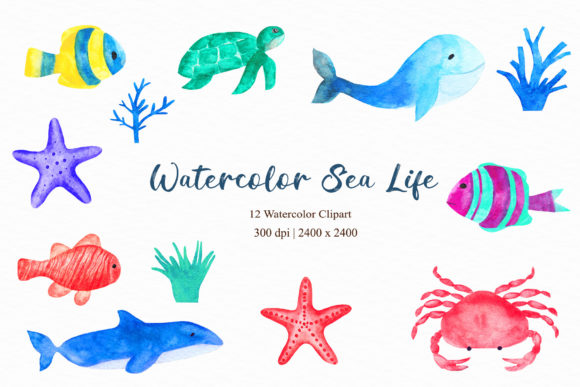
As a designer who spends more time staring at stitch simulations than actual ocean waves, I approach new Illustrations with a specific set of criteria. It is not just about whether an image looks pretty on a screen; it is about how that image translates into thread, tension, and texture. Recently, I have been evaluating the Watercolor Sea Life Clipart collection to see if it holds up under the needle for real-world commercial and personal projects. The initial visual impact is undeniable. These designs carry a soft, fluid mood that mimics the gentle movement of underwater currents. However, translating a watercolor aesthetic into a machine embroidery design requires a keen eye for detail, especially when the end goal is a durable, high-quality finished product.
The Aesthetic Translation from Screen to Stitch
The first thing that strikes me about the Watercolor Sea Life Clipart is its visual personality. Unlike vector art with hard, crisp lines, these images rely on blended tones and organic shapes. For an embroiderer, this presents both an opportunity and a challenge. The soft edges suggest a need for careful manipulation of stitch density. If the digitizing is too dense, you lose that airy, watercolor feel and end up with a stiff, plastic-looking patch. If it is too light, the fabric shows through, ruining the illusion of depth.
In my assessment, these designs seem best suited for techniques that mimic painting. A combination of fill stitch for the body of the sea creatures and subtle running stitch outlines could preserve the delicate nature of the original art. The color palette typically found in these sets—teals, soft corals, and sandy beiges—offers excellent potential for thread colors that pop without clashing. When I visualize this on a tote bag design, the result feels boutique and elevated, moving away from the cartoonish look often associated with marine themes.
Real-World Application: The Boutique Sweatshirt Scenario
To truly test the viability of any digital embroidery file, I imagine a specific client scenario. Let's say a small shop owner wants to create a limited run of oversized, neutral-toned sweatshirts for a coastal boutique. They choose the Watercolor Sea Life Clipart featuring a drifting jellyfish or a school of fish. This is where the rubber meets the road.
On a fleece or French terry fabric, the fabric texture can swallow fine details. The success of this embroidery project depends entirely on how the design handles the nap of the fabric. If the clipart has been digitized with appropriate underlay and pull compensation, the sweatshirt embroidery will look lush and integrated. However, if the design relies on tiny, intricate details common in high-resolution illustrations, those might get lost or cause puckering. For this specific use case, I would recommend selecting the simpler compositions within the clipart set. A large, bold sea turtle might work better than a complex coral reef scene when scaled for a chest logo.
Furthermore, the "handmade" appeal is crucial here. Customers paying a premium for a handmade product expect perfection. The watercolor style adds a layer of artistic credibility that standard clip art lacks. It signals to the buyer that thought went into the design selection, enhancing brand consistency and customer trust. It transforms a generic garment into a personalized gift or a statement piece of custom apparel.
Navigating Fabric Challenges and Hoop Limitations
While the aesthetic is strong, practical constraints must be addressed. Not every surface is ready for the Watercolor Sea Life Clipart. For instance, using these designs on a structured cap requires caution. The curved surface distorts the image, and the watercolor style's lack of hard borders might make registration difficult if the design shifts even slightly during stitching. Similarly, stretchy fabrics like jersey knits used in baby embroidery demand a robust stabilizer strategy. Without proper backing, the soft fills of the sea life could warp after the first wash.
I also advise checking the hoop size requirements before committing to a project. Some elements in these illustration sets can be quite large to capture the flow of the watercolor effect. If you are working with a standard 4x4 hoop, you may need to isolate specific elements, such as a single starfish or shell, rather than attempting a full scene. Always confirm the dimensions provided with the embroidery file. Additionally, dark fabrics present a unique hurdle. Watercolor designs often rely on white space or light transparency. Stitching these directly onto navy or black fabric without a light-colored underlay or appliqué base can result in a muddy, indistinct image. In such cases, treating the design as an applique design by adding a fabric background layer might be the most professional solution.
Commercial Viability and Designer Notes
For the Etsy seller or craft business owner, the Watercolor Sea Life Clipart offers a pathway to higher perceived value. Items like pillow covers, kitchen towels, and embroidered patches featuring these motifs can command higher price points due to their artistic flair. However, before listing items for sale, you must verify the licensing terms. Just because a file is available does not automatically grant rights for commercial embroidery. Ensure you are cleared to sell small shop products made with these assets.
From a technical standpoint, here are my top recommendations for working with this style:
- Test on Scrap First: Never skip the test stitch-out. Use the exact fabric and stabilizer you plan to use for the final item to check for puckering or thread breaks.
- Check Contrast: View your design in black and white mockups. If the values are too similar, the details will vanish in the stitching process.
- Stabilizer Selection: For watercolor-style fills, a cut-away stabilizer is often safer than tear-away, especially for items that will undergo frequent washing, ensuring the stitch density remains supported over time.
- Thread Choice: Consider using matte threads instead of high-sheen rayon to better mimic the flat, painted look of the original watercolor illustrations.
- Detail Inspection: Zoom in on the preview. Look for tiny islands of stitches or overly long jumps that might need manual editing in your software.
Final Verdict on Visual Appeal and Longevity
Ultimately, the Watercolor Sea Life Clipart shines when used with intention. It is not a one-size-fits-all solution but a powerful tool for creating specific moods. When applied correctly to suitable materials like canvas totes, linen aprons, or sturdy cotton blends, it elevates the giftability and recognition of the item. The softness of the design invites touch and suggests a narrative of calm and nature, which resonates deeply with current market trends.
However, the responsibility lies with the maker to respect the limitations of the medium. Thread cannot perfectly replicate the bleed of water on paper, but with the right stabilizer, thoughtful thread colors, and realistic expectations regarding hoop size and fabric type, you can create a finished product that honors the original art while standing up to the rigors of daily use. Whether you are creating holiday embroidery gifts or building a catalog of printable mockup assets for your digital store, this collection offers a refreshing departure from rigid geometric patterns, provided you approach the stitching process with a critical, experienced eye.